
You are on a Zoom with your US financial adviser, discussing index funds and Roth IRAs, when your mom’s WhatsApp message pops up: “Beta, kal Dhanteras hai. Kitna sona le rahe ho?”
In one moment, your spreadsheet brain collides with 2,000 years of diwali gold buying tradition.
Do you swipe your Amex at a US jeweler for 24K bars. Log in to an Indian app at 2 a.m. and pray your bank OTP works. Or tell your parents you will skip it this year and listen to three days of “shagun ke liye bhi nahi liya?”
For NRIs, diwali gold buying tradition is no longer a simple “go to the local jeweler on Dhanteras.” It is:
- Dollar versus rupee rate.
- US tax on overseas gold.
- Whether that cute Lakshmi coin is a blessing or an FBAR reporting headache.
Yet every family call, someone asks, “At least one gram toh lo.”
This clash between culture and compliance is exactly where diwali gold buying tradition gets interesting for NRIs.
How it works: diwali gold buying tradition in 2026 terms
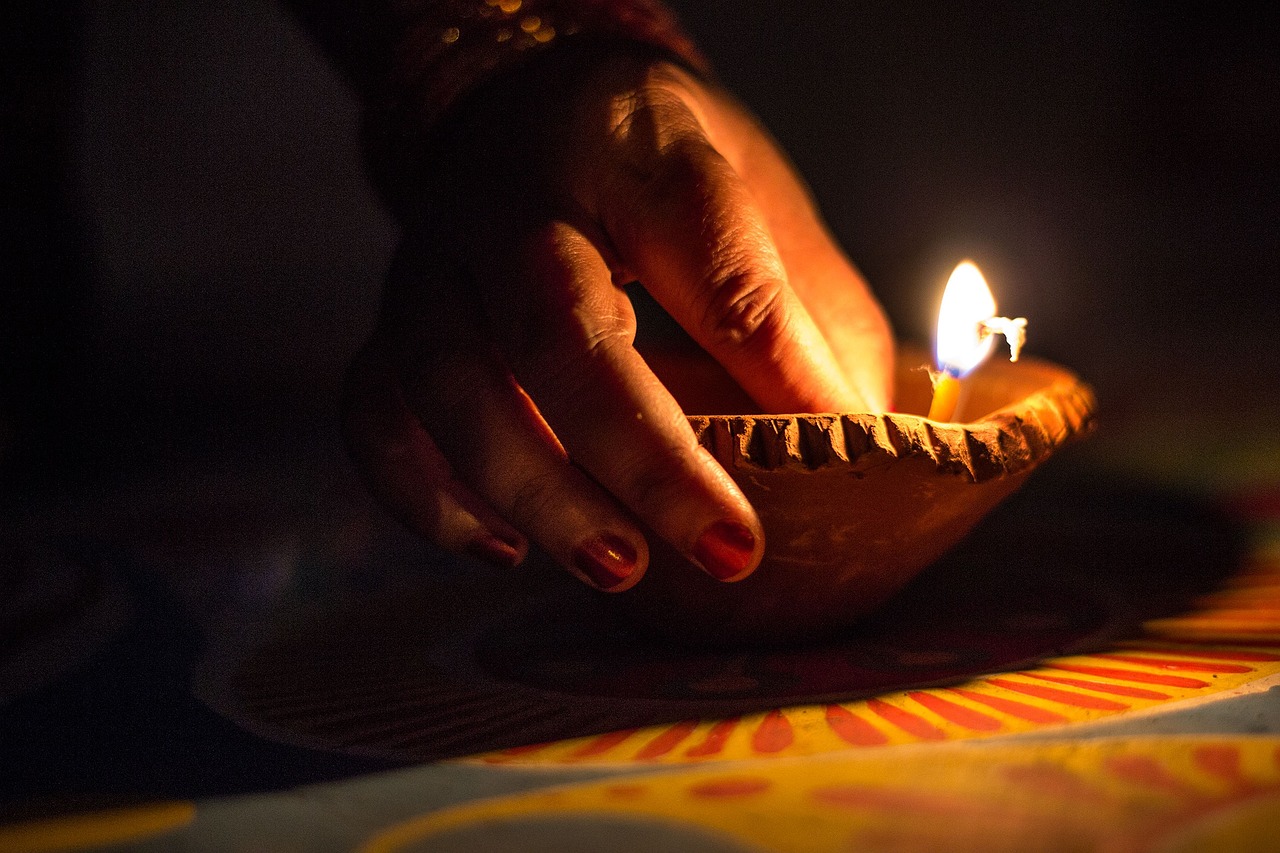
Think of diwali gold buying tradition as three linked but different “rituals” that your family treats like one thing.
1. Dhanteras purchase (the actual buying)
In India, most people buy physical gold on Dhanteras: a tiny coin, bangle, or at least 1 gram digital gold in an app. It is about “starting Diwali with abundance,” not portfolio allocation.
For an NRI in the US, the same urge shows up as:
– Walking into a US bullion dealer for a 24K bar or coin.
– Buying a gold ETF in your brokerage account.
– Logging into an Indian app to buy a coin that will sit in your parents’ locker.
All three “count” emotionally, even though they are treated very differently in US and Indian tax systems.
2. Lakshmi puja gold (the showpiece)
This is the gold that appears on the thali for Lakshmi puja: coins, jewelry, maybe one family bar. It might be newly bought or brought out from the locker each year.
In India, this is also your emergency fund and your unspoken “credit line” for things like a gold loan from Muthoot or Manappuram.
For NRIs, the same coins are usually just “sentimental assets” plus a US reporting question.
3. Gifting and passing it on
Diwali bonuses, tiny coins for kids, that one chain for your sibling. In India, people rarely think in capital gains. It is shagun.
For NRIs, gifting gold across borders suddenly collides with US gift tax limits, customs rules, and “should I have just bought this as a fund instead.”
Modern diwali gold buying tradition sits right between “auspicious token” and “asset class.” The sweet spot is understanding both the emotion and the math, which is where guides like Is Gold Actually a Good Investment? The Honest Math.
Why it matters
Ignoring diwali gold buying tradition does not just mean one sulky family WhatsApp. It changes how money and emotion move in your family for decades.
Financially, small “shagun” buys compound into real numbers. Ten years of 5 gram coins bought in India and stored in your parents’ locker is suddenly a multi lakh asset that you, as a US taxpayer, may have to report, track for capital gains, and eventually inherit. If you skip the planning, you inherit confusion and potential penalties.
On the flip side, some NRIs swing hard the other way. They refuse any Diwali gold and only buy ETFs in the US. Great for taxes. Terrible when a wedding comes up in India and the family expects actual jewelry, not a screenshot of your brokerage. You then convert ETFs to rupees at a bad rate, pay Indian making charges, and realize you could have planned that flow earlier using a mix of Indian and US options and guides like Is Gold Actually a Good Investment? The Honest Math.
There is also timing. If you treat Dhanteras like a one‑day sale, you may overpay in a gold rush year. If you understand the ritual as a tiny top up inside a broader plan, you can spread real purchases across the year and keep Dhanteras symbolic, using tools like Dhanteras 2026: Shubh Muhurat Timings and Smart Gold Buying Guide for the final 1 gram.
One subtle but important point: diwali gold buying tradition inside India is mostly local and physical. The gold lives in the same country as the person, under one tax regime, usually inside one family home. The moment you are an NRI, that same ritual stretches across borders. The “emotional owner” of the gold might be in New Jersey while the locker key is with parents in Chennai and the tax residency that matters is the US. That split creates friction at three moments: when you buy, when you report, and when you eventually sell or inherit. You are still following the same diwali gold buying tradition as your grandparents, but you are doing it in a world where an innocently purchased coin can sit inside an NRI’s broader compliance picture, not just inside a steel cupboard.
This is also where expectations quietly diverge between you and family in India. For them, gold is mostly, “Can we convert this quickly if we need fees, a medical bill, or a margin for a loan.” For you, it is, “Will this trigger a form, a tax event, or an awkward conversation with my accountant.” If you do not talk about this gap, you end up in classic NRI tension: parents keep buying jewelry “for you” that actually creates work for you later, while you keep buying ETFs “for the family” that no one in India emotionally relates to. Bridging that gap on a Diwali phone call, by saying clearly which gold is “for sentiment” and which is “for strategy,” is the real modernization of diwali gold buying tradition.
Today's gold rates
In practice
Meet “Rohan,” Bay Area product manager, Diwali video‑call expert.
His family WhatsApp plan for Dhanteras looks like this:
Morning California time, he buys 2 grams worth of a US gold ETF in his brokerage. Emotionally, that scratches the diwali gold buying tradition itch and sits neatly inside his US tax world as a reported, trackable asset.
Evening his parents’ time, he logs into an Indian jewelry app linked to his NRE account and buys one 2 gram Lakshmi coin, delivery to his parents’ home in Pune. That coin will sit in the puja thali as the “official” Dhanteras purchase and later join the family locker.
On Diwali video call, his mom proudly shows the coin on the thali. Rohan screenshots his ETF confirmation and jokes, “Lakshmi in demat form.” Both feel they have honored diwali gold buying tradition without ignoring compliance.
Over five years, his Indian locker coins quietly become the future wedding jewelry fund, while his US ETF position becomes part of his long term portfolio. One emotion, two jurisdictions, one diwali gold buying tradition adapted to NRI life.
If you want to copy Rohan’s approach in a practical, low drama way, think of it as a short checklist you run every October. First, you confirm your “ritual budget” for the year and how much converts to rupees for the India side. Next, you list where last year’s Diwali gold actually is: which broker, which account, whose locker, whose name on the invoice. Then you decide: this year’s incremental buy, does it top up the India bucket, the US bucket, or rebalance between them. Finally, before Diwali, you tell one person in India and one person in the US (often spouse or sibling) what you did and where it sits. The tradition is not just the buy button. It is the habit of connecting emotion, location, and documentation in a simple, repeatable way every Diwali.
What to do: tuning your diwali gold buying tradition for NRI life
1. Decide your “ritual budget” in dollars
Before prices and apps, pick a number in USD that feels like shagun, not stress. Example: “Every Diwali, 100 to 500 dollars toward gold, total.” This keeps diwali gold buying tradition emotional but still inside your plan.
2. Split it: India bucket and US bucket
Rough rule:
– India bucket: future jewelry, family locker, wedding fund.
– US bucket: pure investment, tax tracked, easy to sell.
Even 50 – 50 is fine. The point is intentionality, not perfection.
3. Choose one clean product in each country
– US side: pick either a gold ETF in your brokerage or a small bar/coin from a reputable dealer, not both. ETFs are easier for tax and tracking.
– India side: pick either coins from a trusted jeweler, sovereign gold bonds, or a single app your parents are comfortable using. Fewer platforms, fewer headaches.
4. Do a 15 minute tax sanity check
– US side: confirm your gold ETF or coins will show up on 1099 or your own spreadsheet. Remember collectibles tax rate for gains.
– India side: if total foreign accounts and assets might cross 10,000 dollars, note that FBAR and FATCA could apply later. You do not need to file this second, you just need awareness.
5. Set your “minimum ritual” rule
Create a tiny non negotiable version of diwali gold buying tradition. Example: “Even in a bad year, I buy at least 1 gram equivalent somewhere.” That might be a sliver of ETF shares or a micro coin for your parents’ puja thali.
6. Tell your family the plan
On the next call, articulate it: “Every Diwali I will buy X dollars of gold. Half stays in the US, half becomes coins in India.” Framing it clearly turns arguments into coordination and makes it easier to match emotion with math in future years.
Key takeaway
Diwali gold buying tradition only gets complicated for NRIs when you pretend it is “just sentiment” or “just investment.”
Treat it as both. Decide a small dollar budget, split it between India and the US, and let one festival action feed two goals: family emotion and long term wealth.
If you remember one thing, make it this:
“Use Diwali to top up your relationships and your balance sheet at the same time.”
Sources
For official guidance related to this article:
- World Gold Council — official guidance and updates
- India Bullion and Jewellers Association — official guidance and updates
—
Gold insights for the diaspora, in your inbox every week.
—
Disclaimer: This article is for informational purposes only and does not constitute financial, investment, tax, or legal advice. Regulations, rates, and product terms change frequently — verify current rules with qualified professionals before making financial decisions.
Keep reading

Ahmedabad’s gold shops open their new year on Saturday
In Ahmedabad, Diwali does not end the gold season. It pauses it. The city's merchant year turns in three steps,…
Kolkata’s wedding gold is being bought early this year
Kolkata's wedding shoppers are not waiting for the wedding season to begin. They have started buying already, using the recent…

Pune’s old gold house opens two doors in Bavdhan
Western Pune has a new gold address, and it comes in two halves. P. N. Gadgil and Sons has opened…