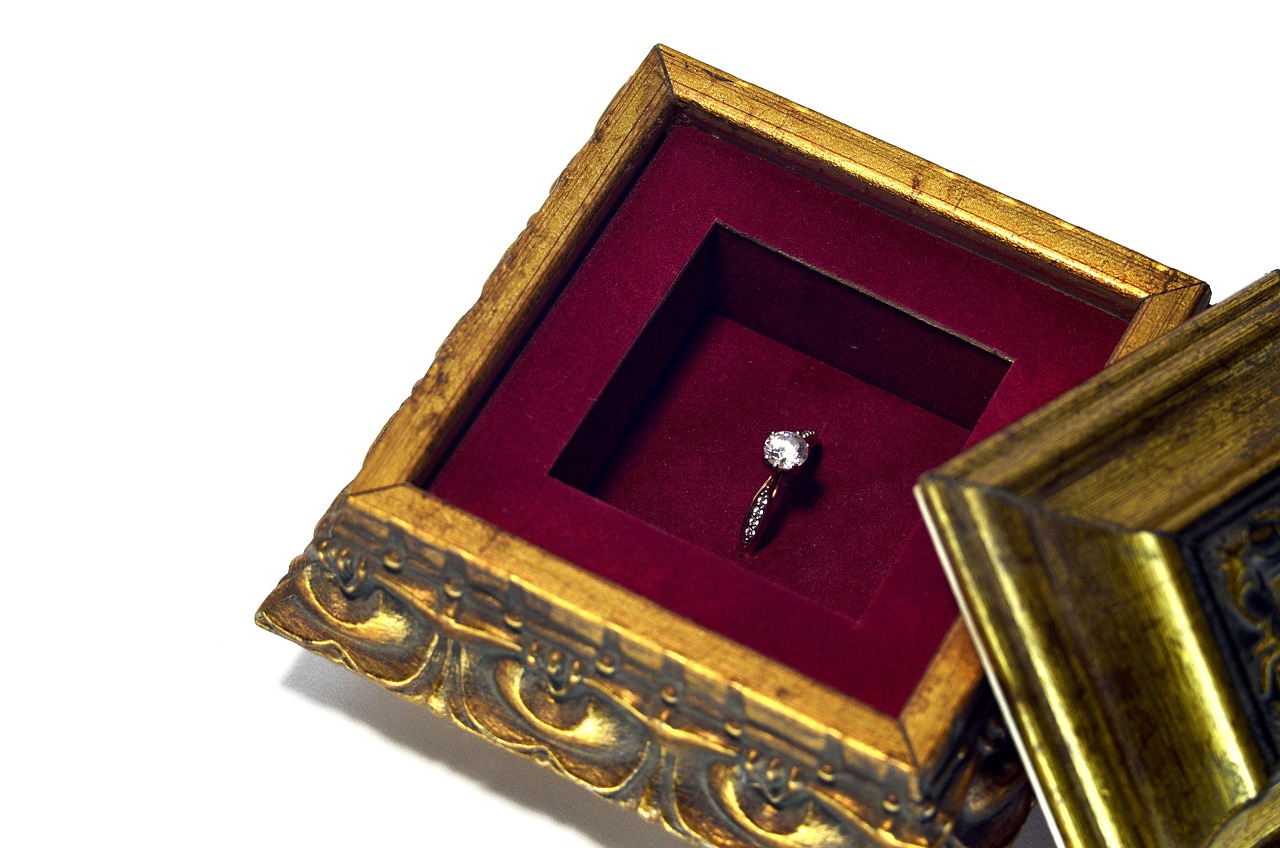
You are in the US, Diwali or a wedding is coming up, and your WhatsApp family group is full of gold talk. You want to gift gold to your parents or a niece in India.
Now the real questions start:
- Should you buy jewelry in the US and carry it to India?
- Should you send money to India and let them buy locally?
- Should you try to buy from an Indian jeweler online or via relatives?
- How does all this show up in US tax and Indian customs, if at all?
Most NRIs default to the most emotional option: buy something beautiful in the US, carry it over, and present it in person. For many families, that ends up being the most expensive and least efficient route.
This guide walks through your choices, what each one really costs, and a clear framework to decide, so your gift does not quietly lose 20 to 30 percent in friction.
—
1. The NRI gifting dilemma, clearly stated
As an NRI in the US, you are juggling four conflicting goals:
1. Make it feel like a real gold gift, not just a bank transfer.
2. Avoid any trouble at airports or on tax forms.
3. Keep costs (premiums, GST, making charges, spreads) under control.
4. Leave the door open for your family to eventually sell or upgrade the gold easily.
The hard part is that:
- The US treats physical gold as a collectible for tax.
- India treats gold imports and jewelry very differently from locally bought gold.
- You are operating across two tax systems, two currencies, and three emotional expectations: yours, your parents’, and the in-laws’.
To make sense of this, we first need to map the landscape of actual options.
—
2. The landscape: All the ways to gift “gold” from the US
For an NRI in America, the main practical options are:
1. Carry US-bought gold jewelry or coins to India and gift it there.
2. Send money to India (via bank or remittance app) and have family buy gold locally.
3. Buy from an Indian jeweler (online or through relatives) and pay from abroad.
4. Gift “gold value” through financial products:
– India: Gold ETF / gold mutual fund in a family member’s Indian account.
– US: Gold ETF in your own account, earmarked for them later.
5. Hybrid: Small physical piece for emotions, bulk of value in money or financial gold.
We will focus on the first three, because that is where most people either save or leak serious money.
—
3. NRI lens: How each option looks from the US side
From the US perspective, your key issues are:
- Is there any US tax when you buy or gift this gold?
- What happens if you sell gold, here or in India, later?
- Do reporting rules like FBAR or FATCA apply?
3.1 Buying and carrying gold from the US
Tax when you buy:
No US tax just for buying gold jewelry or coins.
US tax when you gift:
– Gifting gold to a non-US person (for example, your parents or relatives in India) generally has no US gift tax in practice if you stay under the annual exclusion and lifetime limits.
– You, as the donor, are the one the IRS cares about, not your relatives in India. Keep basic records of large gifts.
If you ever sell the gold in the US:
– Physical gold is treated as a collectible.
– Long-term gains can be taxed up to the collectibles rate (up to 28 percent).
– If you are buying specifically to gift and do not plan to sell in the US, this matters less.
Reporting (FBAR/FATCA):
– Jewelry you personally hold is not a “foreign financial account”.
– Carrying gold to India and handing it over does not trigger FBAR or FATCA reporting by itself.
– Where you can get pulled into reporting is if you hold gold in an Indian bank locker or a gold-linked account in India. Some of those may be reportable interests. You should cross check with a tax professional before using bank lockers or structured gold accounts in India.
Airport and logistics from the US side:
– There is no US export duty on gold you carry out in your luggage.
– If you are carrying significant value, keeping purchase invoices and photos is wise, in case of questions on re-entry in the future.
3.2 Sending money to India and letting family buy
From the US side, this is the cleanest:
- You send a wire or use a remittance service.
- No US tax on simply transferring your after-tax money abroad.
- No FBAR reporting just because you sent money out. FBAR is about your foreign account balances, not one-time remittances.
What you must watch:
- How the Indian bank account is titled. If you open or co-own an account in India to receive funds, and the aggregate value of all foreign accounts you own or control crosses USD 10,000 at any point in the year, FBAR can apply.
- Large gifts might need simple paperwork in India (gift deeds within family), but that is an India-side issue, covered below.
3.3 Buying gold for family through an Indian platform
Some Indian jewelers and marketplaces will accept international cards or foreign remittances for gold purchases delivered in India.
US-side points:
- Same as remitting money. No tax on sending funds, but foreign accounts and entities you control can be reportable.
- If you are the legal owner of an Indian gold account (for example, a demat account with gold ETFs in India), that holding is a foreign financial asset, and may be reportable under FBAR/FATCA once thresholds are crossed.
3.4 Gifting via “financial gold” from the US
If you buy a US-listed gold ETF in your own brokerage account with the idea that “this is for my parents”, note:
- Legally, the assets are yours until you transfer ownership.
- Selling the ETF later will create a US taxable event for you.
- Actually transferring ETF units or cash to them in India is a separate cross-border gift process.
This route is often more of a long-term planning tool than a festival gift solution. For immediate family gifting in India, it is usually simpler to either:
- Send money and have them buy local gold or financial gold in India, or
- Buy jointly held financial gold in India in their name, with proper Indian KYC.
—
4. India lens: What your gift looks like on the other side
Now shift perspective. Your parents or relatives in India care about:
- How easily can they use, upgrade, or sell this gold?
- Will customs or tax officers question it?
- Is there any paperwork needed in India to receive this gift?
4.1 Receiving physical gold that you carried from the US
From the Indian resident’s side:
- There is no income tax on genuine gifts from specified relatives (children, parents, siblings, etc.), whether in gold or cash. Income tax law focuses on “gifts from non-relatives” above certain thresholds.
- The issue is mostly customs and documentation, not income tax.
If you carry in gold and hand it over:
- You are the one dealing with customs on arrival, not your family.
- Once the gold is inside India as your personal jewelry and then passed on as a family gift, it becomes hard to distinguish from any other family jewelry, as long as amounts are reasonable and fit your profile.
Where it can get tricky:
- If later your relatives face a tax scrutiny and cannot reasonably explain large jewelry holdings, they may need to show how and when it was acquired or gifted. Photos and simple family records can help.
4.2 Receiving money and buying gold locally
This is India’s most straightforward scenario:
- Relatives receive money into their Indian bank accounts.
- They buy jewelry, coins, or financial gold from an Indian provider.
India-side points:
- Gifts from close relatives are generally exempt from income tax. Still, keeping a simple gift deed or written confirmation helps for larger sums.
- Purchases are subject to Indian GST and making charges, as usual.
- Local purchase gives them better resale options and easier explanation during any income tax scrutiny.
4.3 Buying via Indian jeweler on their behalf
If you pay from abroad and the invoice is in your name:
- You are technically buying an asset in India. For larger amounts this may matter for Indian wealth documentation or future inheritance.
- If the invoice is directly in their name and you are simply the funding source, India treats it more like you gifted them the money, and they bought the gold.
In practice, aligning the invoice name with the intended owner avoids confusion later, especially if the gold is ever sold or pledged.
—
5. Direct comparison: Cost, tax, and hassle
Here is a simplified comparison for the three most common paths.
| Option | NRI view (US side) | India view (resident side) | Cost / friction highlights | Best for |
|---|---|---|---|---|
| 1. Buy gold in US, carry to India, gift there | No US tax to buy or gift. No FBAR for personal jewelry. Collectibles tax only if you later sell in US. | Customs duty can apply if you exceed free allowance. Later sale in India is treated as capital gains based on Indian value. | US jewelry often has high making premiums. Risk of customs duty in India. Possible design mismatch with Indian tastes. | Small emotional gifts, unique designs, surprise proposals or intimate family occasions. |
| 2. Send money to India, family buys locally | Remittance itself not taxed. Watch foreign account reporting if you open or hold accounts in India. | Gift from close relative usually tax exempt. Purchase fully within Indian system with GST and Indian invoices. | FX fees on remittance and bank spreads. Local making charges but better matched to resale market and tastes. | Wedding jewelry, large value gifts, anything where resale or exchange in India matters. |
| 3. Pay Indian jeweler directly from abroad for delivery in India | Similar to sending money. No US tax event. Possible foreign asset reporting if formal account is in your name. | If invoice is in relative’s name, same as Option 2. If in your name, might complicate ownership records. | Online convenience. Must trust jeweler and shipping. Less flexibility for local bargaining or exchange. | When you want control over design/quality but cannot travel, or for surprise deliveries. |
—
6. The honest verdict: What actually makes sense for most NRIs
If your goal is to maximize value to your family in India, while keeping compliance simple, the order of preference for most NRIs usually looks like this:
1. For large value gifts (weddings, big milestones):
– Primary choice: Send money to India, and have family buy gold locally in India.
– Why:
– They can choose designs they actually like, with local trends in mind.
– Resale or exchange later is easier in their home market.
– No customs risk at airports.
– Indian invoices help if they are ever asked to explain assets.
2. For moderate, emotional gifts:
– Balanced choice: Hybrid. Carry one meaningful piece from the US, and send the bulk as money for local purchases.
– This preserves the emotional element of “I brought this for you”, without paying US premiums for all the grams.
3. For small sentimental gifts (1 to 5 grams, small coins or a delicate piece):
– Fine to: Buy in the US and carry over, as long as you stay well within Indian customs free allowances and keep it clearly for personal use and gifting.
4. For “value storage” gifts:
– Consider having family buy financial gold in India (such as a gold ETF or a gold mutual fund in their demat or mutual fund account) funded through your gift.
– This is less traditional, but highly practical for education funds or long-term savings.
What to avoid as your default:
– Loading up on US-bought jewelry for big Indian weddings purely because you trust your local US jeweler more. Between customs, making charges, and taste mismatch, this is where many NRIs inadvertently burn 20 to 30 percent of the intended value.
—
7. The fine print: Risks and “things nobody tells you”
Even when you choose the efficient path, a few quiet traps remain.
7.1 Indian customs: The gray zone everyone relies on
Official customs rules in India set specific free allowances for gold jewelry for arriving passengers, different for men and women, and subject to conditions. Amounts and duty rates can change, so you must check current schedules before each trip.
Reality on the ground:
- Officers often look at whether your jewelry looks like “reasonable personal wear” for an NRI, not like bullion being imported.
- Well used or clearly personal jewelry usually attracts less scrutiny than multiple identical coins in sealed packets.
- If you are bringing in clearly high-value items, invoices and transparency help.
None of this is a license to ignore the law. The safest posture is:
- Know the current allowance and duty.
- Stay reasonably within limits for gifts.
- Keep documentation ready, and accept that you might have to pay duty if you are significantly above the allowance.
7.2 US estate and inheritance questions
For US persons:
- The US taxes your worldwide estate, which includes gold held in India or gifted shortly before death.
- If you build up a lot of gold in India in your own name, think about how that will be inherited and what documentation your heirs will need in both countries.
Large transfers or inheritance planning are beyond the scope of a festival gifting decision, but if your “gifts” are really long-term wealth transfers, you should speak with a cross-border tax advisor.
7.3 Documentation in India for bigger gifts
For small festival gifts, most families do nothing formal. For large transfers, especially for:
- Buying a flat,
- Funding a major wedding purchase, or
- Moving significant wealth,
your relatives in India may benefit from:
- A simple written gift deed mentioning your relationship, amount, date, and purpose.
- Bank records showing inward remittance.
- Invoices for gold purchased.
This can help if Indian tax authorities question their sudden ability to purchase high-value assets.
7.4 Using NRE/NRO accounts and remittance caps
If you use the formal banking route:
- The Liberalised Remittance Scheme (LRS) limit of USD 250,000 per financial year applies to resident Indians sending money out, not to NRIs sending money in.
- For you as an NRI, banks may still have internal checks and paperwork when you send larger amounts.
- RBI rules govern repatriation of money from India back to the US later. If you think your relatives might eventually send funds back to you, structure things carefully at the start.
For day-to-day gifting of gold for weddings and festivals, these macro rules matter only if you are transferring very large sums.
7.5 Compliance with Indian product rules
Some India-specific points that often surprise NRIs:
- Sovereign Gold Bonds (SGBs) have been a popular product in India, but NRIs have not been eligible to invest directly, and the issuance program has been discontinued for now. Do not plan NRI gifting strategies around SGBs.
- Not all gold schemes run by jewelers are SEBI-regulated financial products. Some are simply store credit or layaway plans. If your money goes into those schemes for a relative, you are taking both gold price risk and jeweler credit risk.
If you are considering “saving for a future gift” in India, vehicles like gold mutual funds or gold ETFs in a resident family member’s name are generally cleaner than unregulated jeweler schemes.
—
8. Bridging the worlds: A simple framework to decide
When you next face the “how should I gift gold” decision, walk through three questions:
1. Is the priority emotion or efficiency?
– If emotion: Bring at least a small physical piece yourself.
– If efficiency: Default to sending money and buying locally.
2. Is this a one-time festival gift or part of long-term wealth transfer?
– One-time: Focus on customs practicality and design.
– Long-term: Focus on documentation, ownership records, and financial gold.
3. Will this gold likely be sold or exchanged in India later?
– Yes: Buy in India, in their names, with proper invoices.
– No: A meaningful piece from the US that they will keep as a keepsake is fine, even if it is not the cheapest per gram.
If you keep US tax simplicity, Indian resale reality, and family emotions in view at the same time, the “right” answer for gifting gold to family in India usually becomes clear.
—
Gold insights for the diaspora, in your inbox every week.
—
Disclaimer: This article is for informational purposes only and does not constitute financial, investment, tax, or legal advice. Regulations, rates, and product terms change frequently — verify current rules with qualified professionals before making financial decisions.